During the Roman period, Chislehurst was part of the region known as “Britannia.” The Romans established a road network in the area, including the present-day route of the A20 road, which passes through Chislehurst.
Chislehurst is mentioned in the Domesday Book of 1086 as “Cislestreu.” It was a small agricultural settlement and part of the Manor of Scadbury. The manor changed hands several times over the centuries.
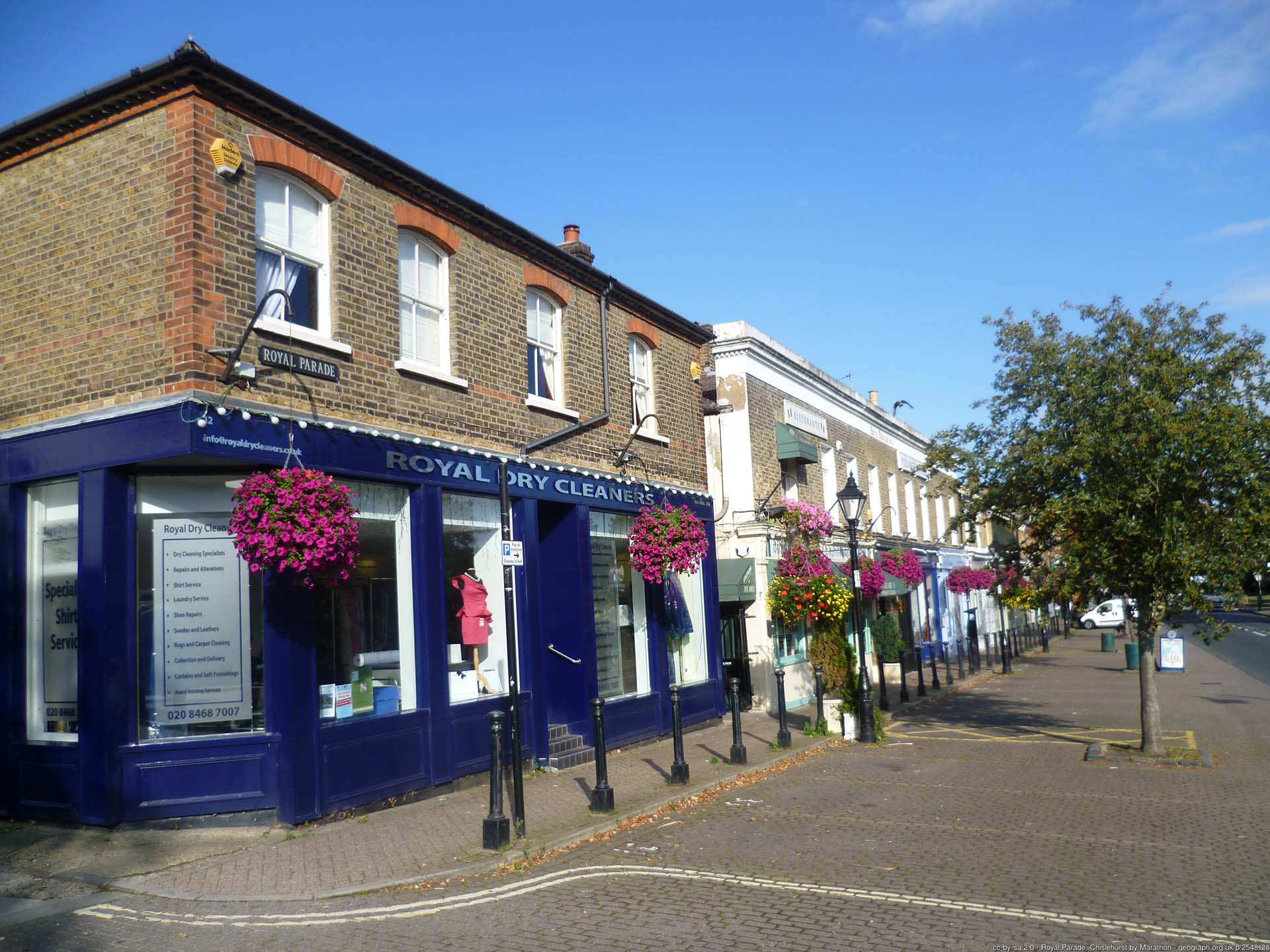
In the 16th century, Chislehurst became a popular destination for wealthy Londoners seeking country retreats. Many grand houses and estates were built in the area, including Chislehurst Place, which was the residence of Sir Francis Walsingham, Queen Elizabeth I’s Secretary of State. In the 19th century, Napoleon III lived here in exile – and (perhaps surprisingly) the well-known Royal Parade in the village centre is named after him, not Victoria.
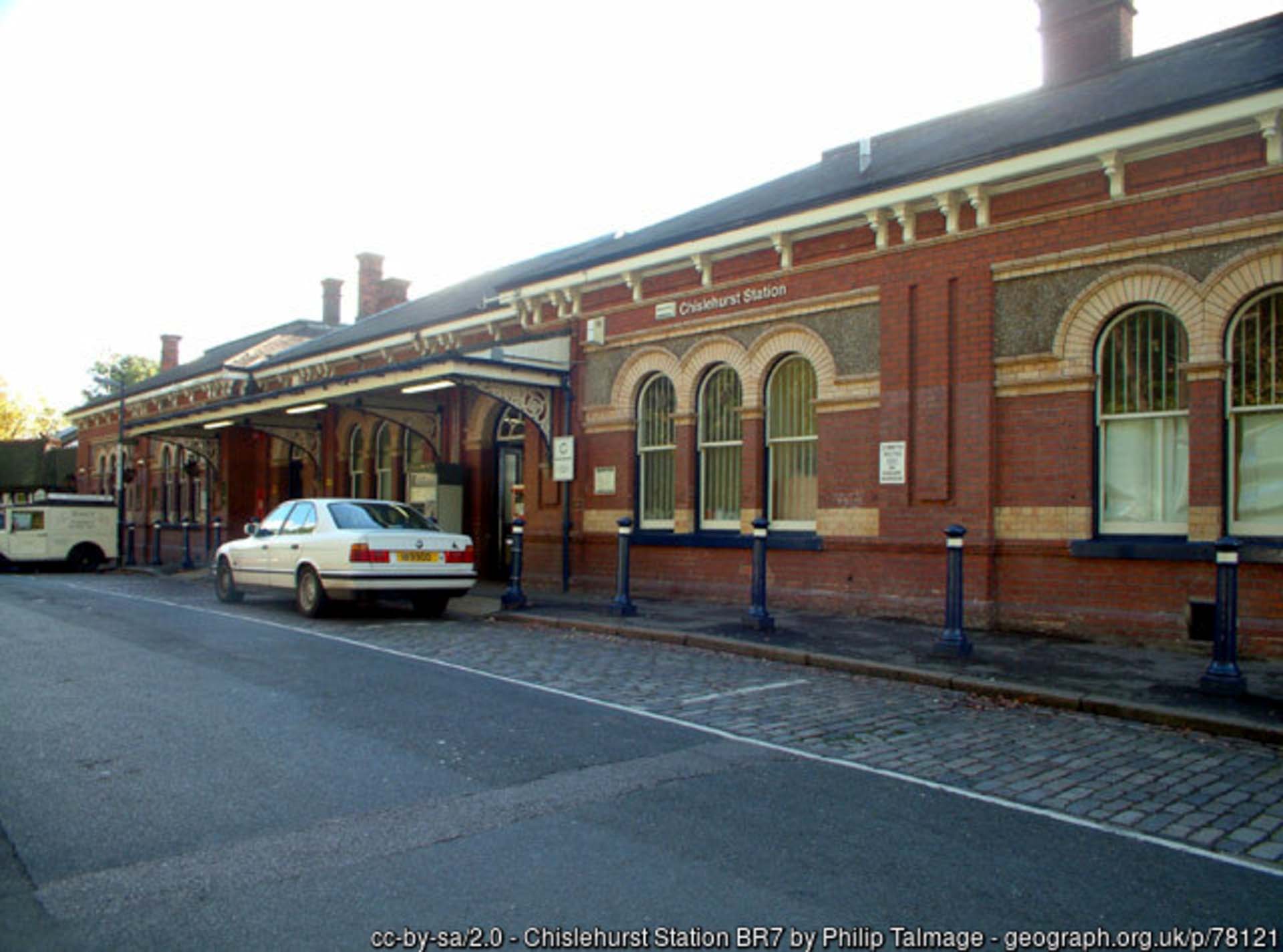
The opening of the railway station in Chislehurst in 1865 brought significant changes to the village. It became more accessible, and the population grew as commuters settled in the area. In the 20th century, Chislehurst experienced further development and expansion as London’s urban sprawl reached the area. However, efforts were made to preserve the village’s character and protect its green spaces.
Today, Chislehurst retains its distinct village atmosphere while being a part of Greater London. It is known for its historic buildings, including Chislehurst Parish Church, the Red Cross Inn, and the Royal Parade, which features a range of independent shops and restaurants. Chislehurst Common and Scadbury Park provide natural beauty and recreational spaces for residents and visitors alike.