


Kitchen Worktops: Which is best?
Kitchen Worktops: Few areas of the home offer such a wide choice of materials as kitchen worktops. With at least eight distinctly different options available, each with its own characteristics, advantages and considerations, it is hardly surprising that homeowners can feel pulled in several directions when trying to decide which material is best for their kitchen.


Patagonia Gold Ceramic worktop from the Lamar kitchen worktops collection
Part of the problem is that every kitchen worktop material seems to be marketed as the answer to all your needs. Companies that specialise in just one of the eight main types of kitchen worktops will naturally highlight all the benefits of their particular product. What they are often less keen to do is look you in the eye and be honest about its limitations. The result is that homeowners can end up receiving a rather one-sided picture, with a fair amount of misinformation thrown into the mix.
We regularly have people call or visit with the familiar warning, “You don’t want granite – it stains!”, ringing in their ears. More often than not, this is something they have heard from an enthusiastic quartz worktops salesperson. It can take a little time to explain the facts, put the various materials into perspective and help people arrive at a more balanced understanding of the real advantages and disadvantages of each option.
Of course, anyone involved in sales is naturally tempted to sing the praises of their own product, emphasise all its good points and perhaps be a little dismissive of the alternatives. But that approach can come back to bite you in the long run. If customers end up disappointed because they were never given the full picture in the first place, they are unlikely to recommend you to others. Building a successful business depends on trust, honesty and managing expectations from the outset. And for a business like ours, word of mouth is the lifeblood of everything we do.
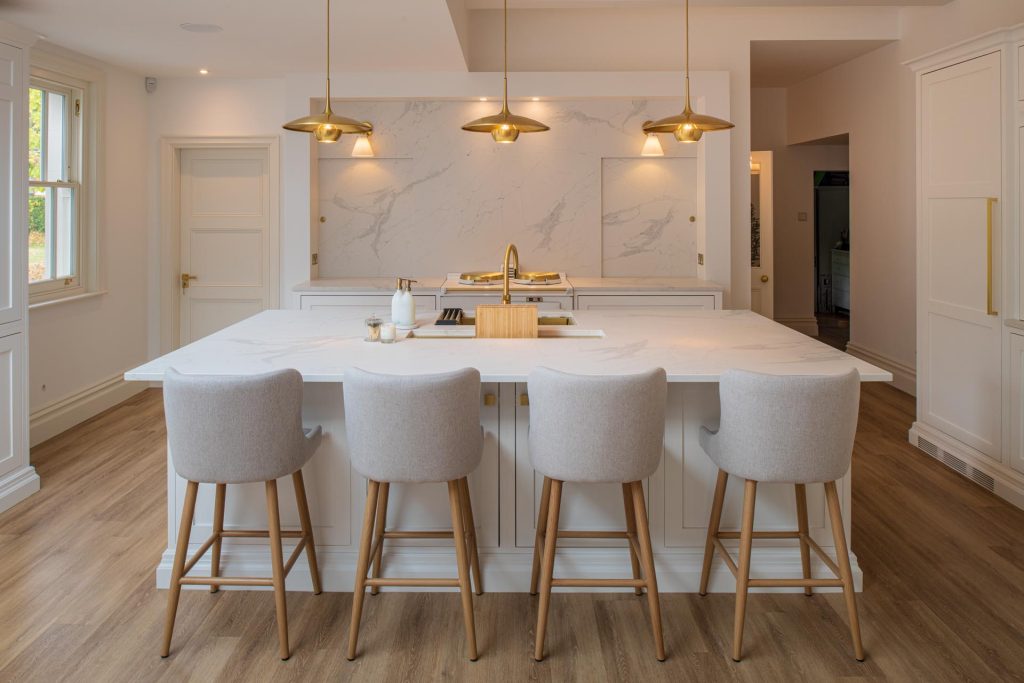
Venetian River Quartz kitchen worktops – see the case study on our sister site
For us, honest selling means managing expectations and helping customers think carefully about their own needs, priorities and the particular challenges of their kitchen. We want everyone who comes to us to have a clear understanding of what their chosen kitchen worktops can reasonably be expected to do, as well as where their limitations lie. After all, no material is perfect in every respect, and understanding the pros and cons from the outset can make all the difference. Helping customers work out what they really need and want is more than half the battle when it comes to finding a solution that genuinely meets their expectations.
Kitchen Worktops: the Challenges
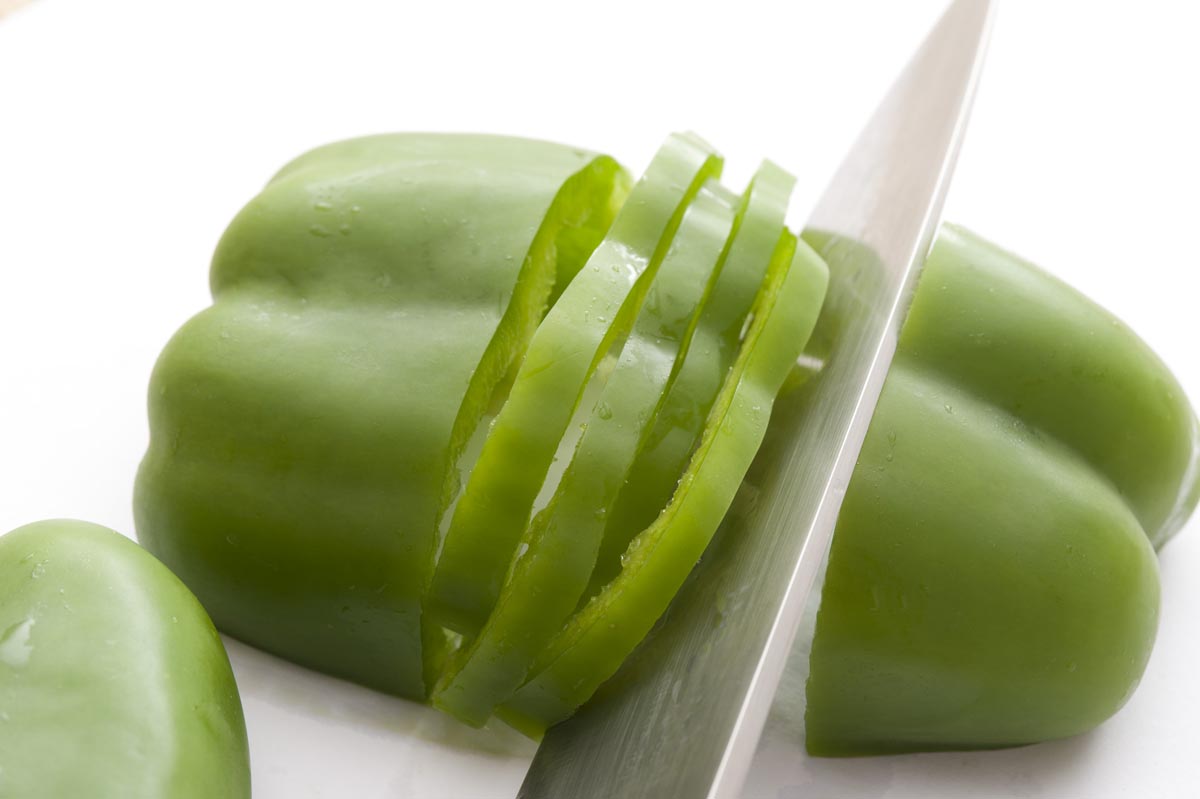
Kitchens are terrifying places. In one room are concentrated many of the sharpest, hottest, hardest, stickiest and most lethal objects in the house. Life for a kitchen worktop is tough, with threats of every kind. Spare a thought for your humble worktops next time you chop veg, spill some hot oil or leave curry or tea overnight to ingrain the stain. Kitchen working surfaces have to face all of these challenges, perform well and go on looking good…
|
Chemical attack – whether it is bleach used to clean the sink or cleaning products used when handwashing clothes, everyday household chemicals can pose a threat to your worktop. This is where chemical resistance becomes an important consideration.
|
| Dropping stuff – knocks and impacts from heavy objects, particularly around the edges of a worktop, can cause damage. A material may be hard and scratch-resistant, yet still be vulnerable to chipping when struck. This is where low friability is desirable, meaning the worktop is less likely to chip, crumble or break away under impact.
|
|
Dust – very plain, smooth surfaces can seem to show absolutely everything, from the finest layer of dust to every fingerprint, leaving you feeling that they need another wipe down every five minutes. The ability of a kitchen worktop to disguise everyday dust, smudges and finger marks, and remain looking presentable between cleans, is something we call its liveability.
|
| Grease – cooking oil, butter and even everyday fingerprints can be surprisingly difficult to remove from some worktop surfaces. On more porous materials, such as wood, grease can also soak in and leave permanent marks or damage. A good kitchen worktop needs a degree of grease resistance and forgivingness, making it easier to clean and less likely to show every little mishap.
|
| Heat – a saucepan or casserole dish placed casually on the worktop, or a kettle or toaster with a hot underside, can damage some materials. Heat damage is a genuine concern with some kitchen worktops types, whether it results in discolouration, cracking or other lasting marks. A good surface needs heat resistance to cope with the occasional lapse in care.
|
| Knives and other hard or sharp objects – kitchen worktops are exposed to constant potential abrasion and scratching, whether from food preparation, utensils or rough-bottomed earthenware being moved across the surface. A worktop needs sufficient hardness to resist scratching and maintain its appearance through years of daily use.
|
| Soaking damage – kitchen worktops can be exposed to standing water for surprisingly long periods, whether around the sink, beside the draining board or following an unnoticed spill. Some materials cope with moisture far better than others, while certain porous surfaces can swell, warp or suffer lasting damage. You need stability, durability and strength to ensure the material retains its integrity, even when exposed to water.
|
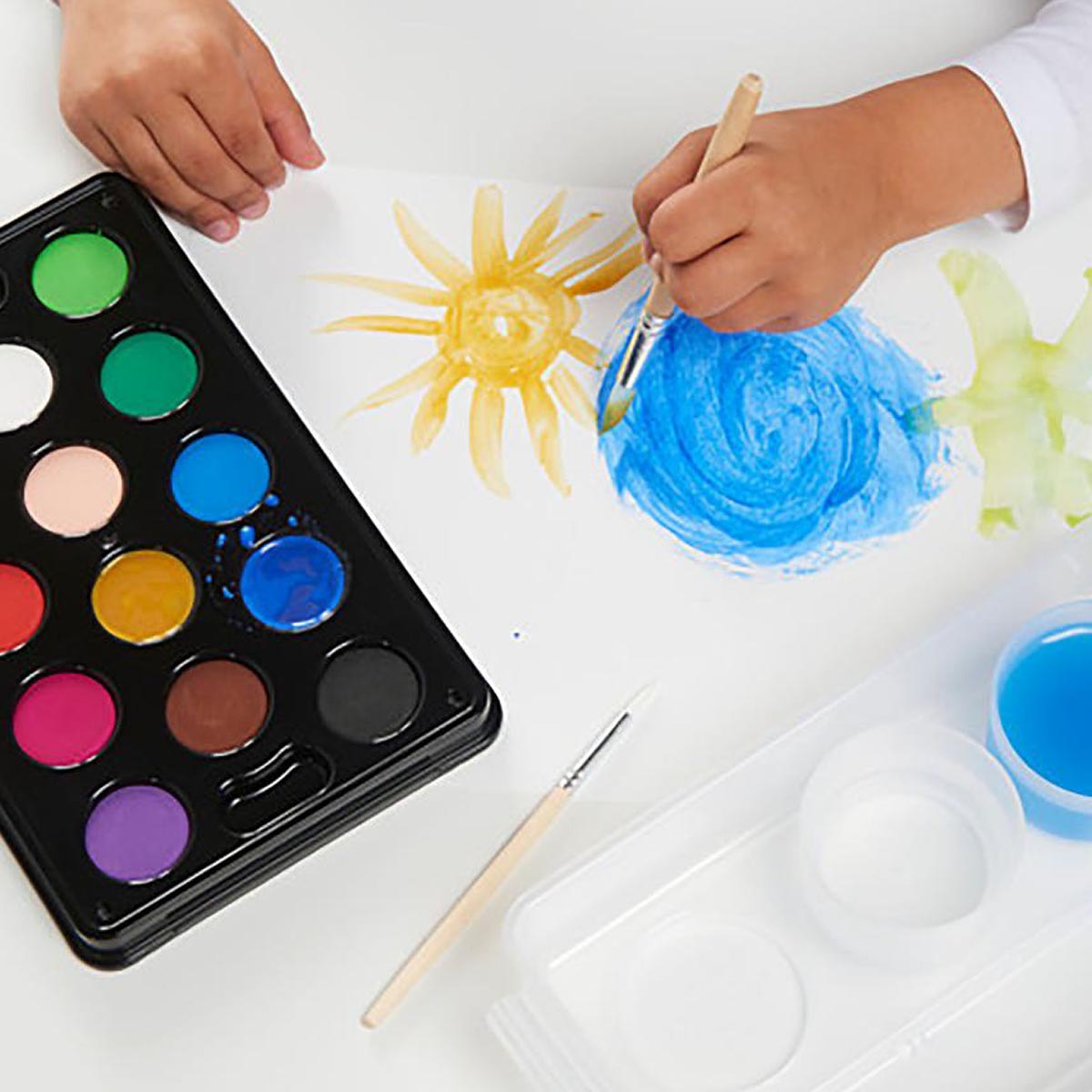
| Surface staining – wine, curry, tea and beetroot are all familiar culprits, not to mention the toddler who decides your worktop is the perfect canvas for a permanent marker! Everyday kitchen life throws plenty of staining challenges at your surfaces, so good stain resistance is an important quality to consider when choosing a worktop that will continue to look good for years to come.
|
| Stain penetration – some stains do more than mark the surface; they can seep into the material itself. Water and oil-based colouring agents, from red wine to curry, can penetrate certain worktops and leave lasting discolouration beneath the surface. A material might survive being soaked in red wine perfectly well, but if it remains a dull pink colour afterwards, you are unlikely to be very happy with it! This is particularly important with lighter-coloured worktops, where staining can be more noticeable. You need low permeability to help prevent liquids and colourants from penetrating the material in the first place.
|
|
Weight stress – think of the big guy at a party who decides that perching on your breakfast bar overhang is the most comfortable place to sit! Although worktop breakage is relatively rare, it can happen when excessive weight or pressure is applied, particularly to unsupported overhangs or vulnerable areas. A worktop needs good tensile and flexural strength to resist bending and withstand these stresses without cracking or breaking.
|
Each of the main types of kitchen worktop performs well against at least some of these challenges. But there is NO ONE MAGIC BULLET that provides the perfect solution to every problem. Every material involves some degree of compromise, so it is important to think carefully about the look you want to achieve and, just as importantly, the particular demands your worktops will face in your home. Understanding which qualities matter most to you is the key to making the right choice.
We are very conscious that every customer is different, and that means the demands placed on the kitchen worktops we install will vary considerably from one home to another.
- Some people love the job of keeping shiny black granite spotless and actually prefer a surface that shows every speck of dust, because it reassures them that their kitchen worktops are REALLY clean!
- Some people are perfectly happy to reseal a light-coloured stone worktop regularly or re-oil a wooden surface as part of its ongoing care. Others would much rather avoid that sort of maintenance.
- Some people are more prone to dropping heavy or hard objects than others – and you probably know which category you fall into!
- Some families have small children or grandchildren marauding around the house, creating happy chaos and the occasional accident. Others enjoy a quieter, less hectic household where the risks are rather lower.
- Some people would never dream of leaving a red wine spill or tea ring sitting on a worktop for more than a few moments. Others might only give their surfaces a proper wipe once a week.
- Some people hardly cook at all, rarely eat curry, never drink red wine and seldom encounter anything likely to stain their worktops. Others get through gallons of food colouring making brightly coloured cupcakes!
- Some people are happy to put hot pans straight onto their worktops. Others automatically reach for a trivet or heatproof mat.
And so the list goes on. Just as importantly, people have very different ideas about the look they want to achieve. A spectacular, heavily patterned Brazilian granite might be a dream surface for one homeowner, yet give someone else a migraine! The pristine, uniform appearance of quartz or Dekton might be the perfect finishing touch for a sleek, contemporary kitchen in one home, while another family would find it rather dull – and become thoroughly irritated by a surface that seems to show every speck of dust.
We see an important part of our job as helping customers not only to understand the different kitchen worktop materials available, but also to understand their own needs, habits and priorities. By getting those two things right, we can help people choose a worktop that suits both their lifestyle and their taste. Ultimately, that is the best way to avoid disappointment and ensure our customers are happy with their choice for years to come.

The special challenges of small children…
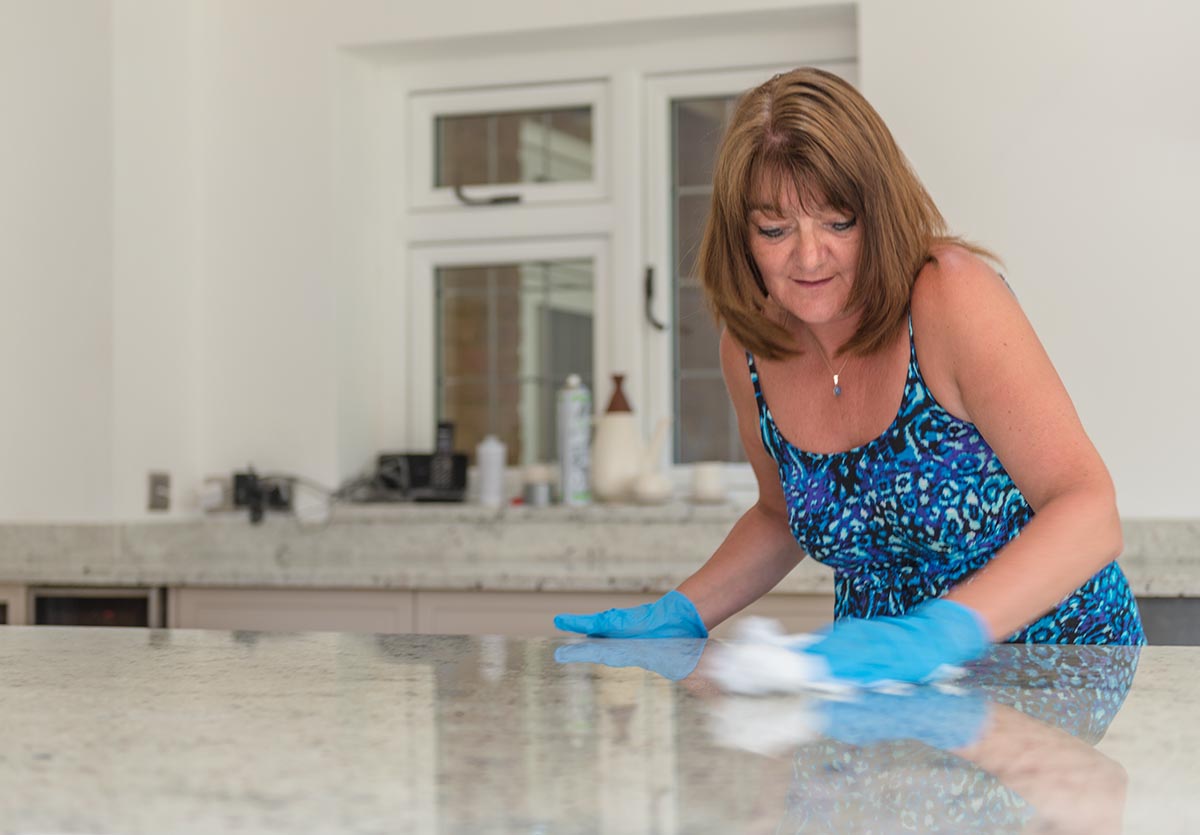
Some people just love scrubbing and polishing…
Kitchen Worktops: The Options
Against this background of differing lifestyles, personal preferences and the everyday challenges faced by kitchen worktops, the various material options begin to fall into place. Each has its own strengths and weaknesses, and some will suit particular needs far better than others. The key is to think carefully about your home, your family, the way you use your kitchen and the look you want to achieve before deciding which material is right for you.
Fortunately, while there is no single worktop material that is perfect in every respect, there is a wealth of excellent, high-performance options to choose from. The trick is to find the one that offers the right balance of qualities for your kitchen.
Concrete – ideal if you love the raw, industrial look of concrete and want to create a bold, brutalist-style kitchen. Its ability to form continuous, seamless surfaces is another attraction. However, staining can be an issue, and both the casting and sealing processes need to be carried out properly if the worktop is to stand the test of time. Concrete can look fantastic, but quality workmanship is essential. There are no worthwhile shortcuts when it comes to making and finishing concrete worktops.
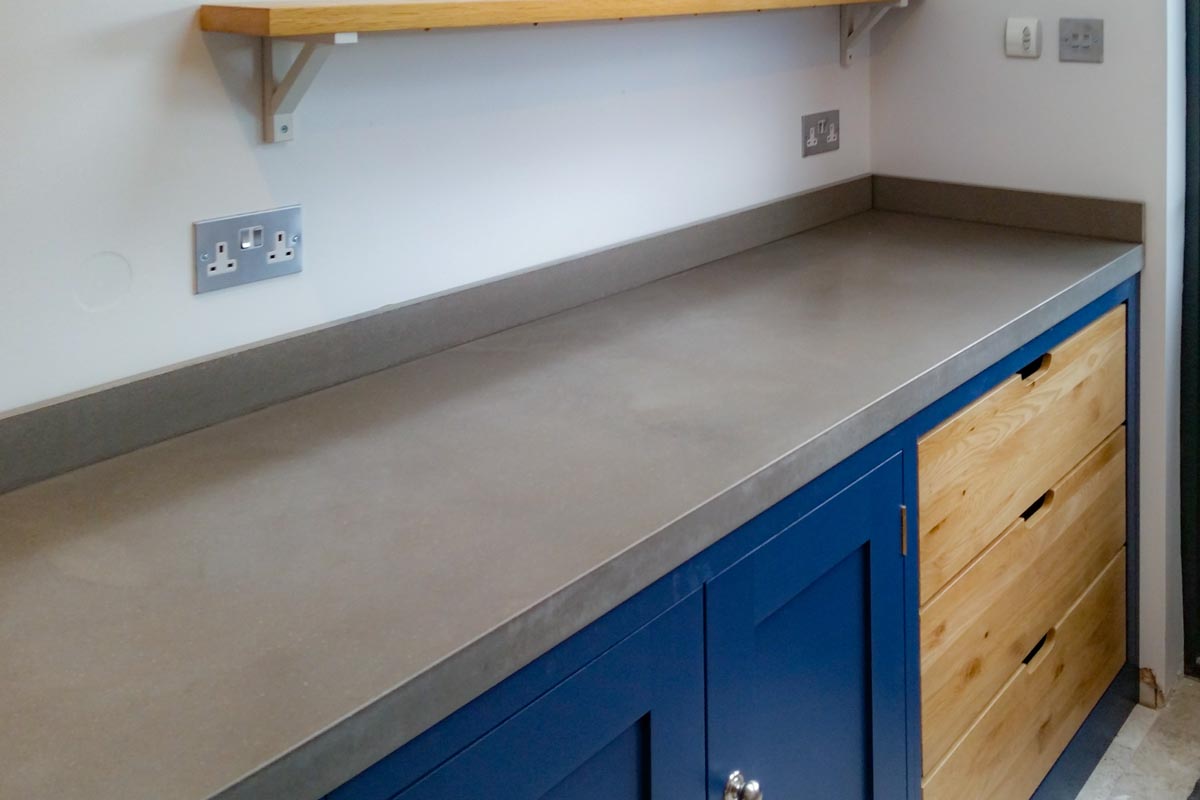
A concrete worktop
Corian and similar solid-surface materials – these are made from mineral particles bound together with a substantial proportion of plastic resin, typically around 35%. One of their great advantages is that they can be joined almost seamlessly, making them particularly useful where hygiene is a priority. With no obvious joints or crevices to harbour dirt and bacteria, they are well suited to environments that require frequent cleaning, including pressure-hose wash-downs. The downside is that they can scratch relatively easily. Corian is therefore particularly effective in hygienic settings where abrasion and scratching are less of a concern. The classic example is a motorway service station washroom rather than a busy domestic kitchen.
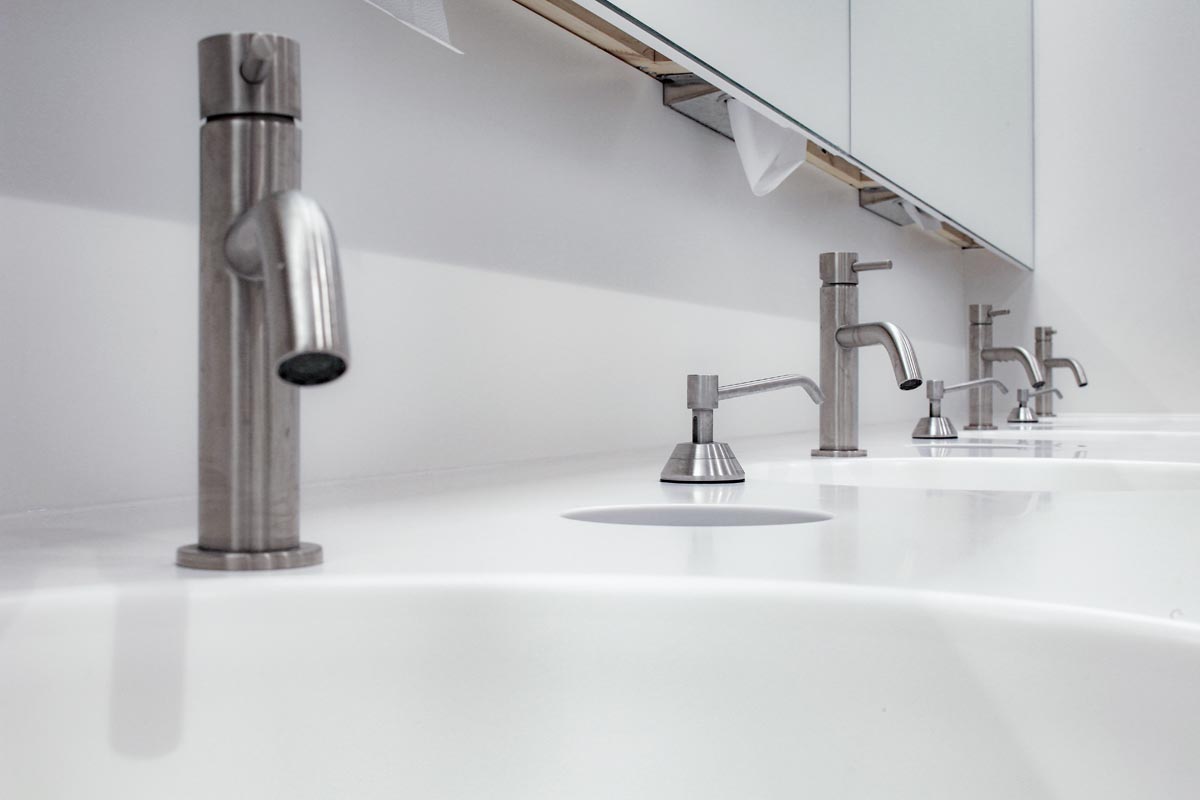
Corian in a large washroom
Glass – glass worktops offer excellent resistance to staining and chemical damage, making them an attractive option for those who want a sleek, contemporary finish. Like stone, glass can be manufactured in a wide range of shapes and configurations, giving designers plenty of flexibility. However, keeping it looking perfectly clean and free from smears, fingerprints and watermarks can be a real challenge. Glass is also less hard than granite, so its surface can be scratched, and become dulled or marked over time. It may look stunning when first installed, but maintaining that pristine appearance takes effort.

Glass worktops
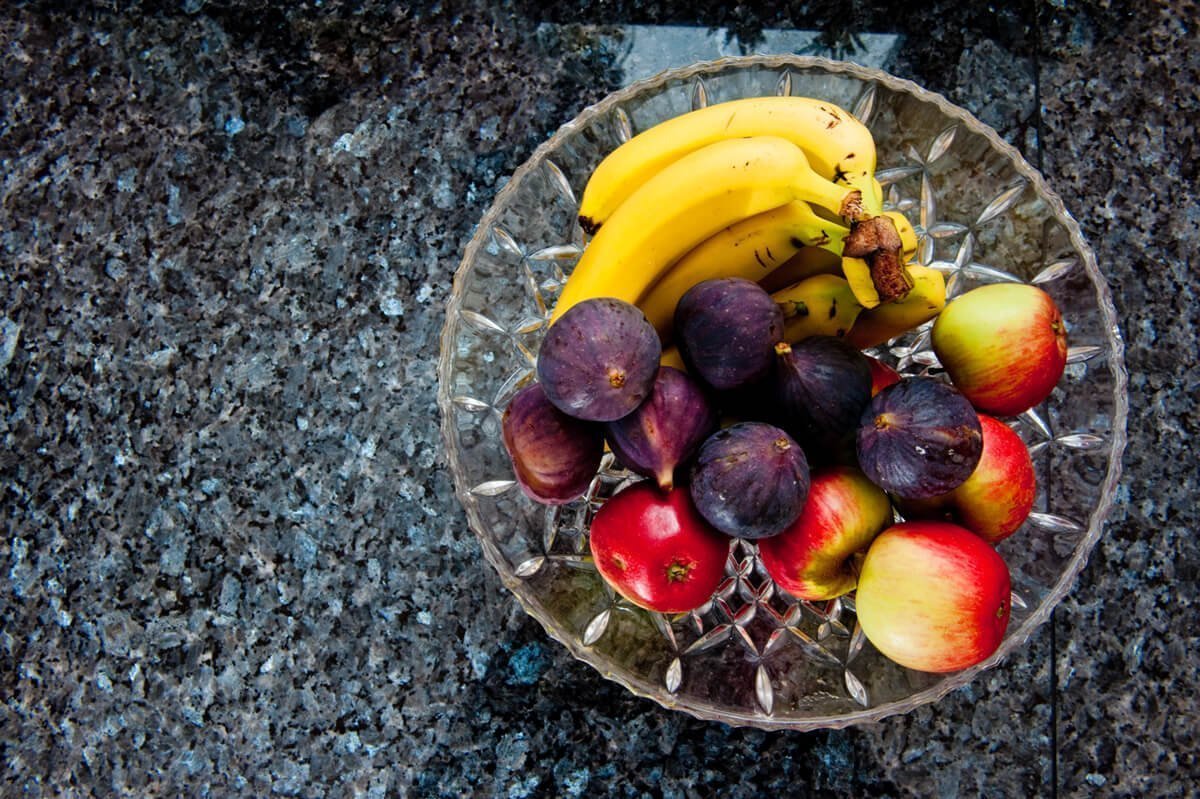
Granite – a natural stone with excellent scratch resistance and good strength, making it particularly suitable for worktops with overhangs. Its polished surface also means that many everyday marks and surface stains can be dealt with relatively easily. However, granite can chip, and some lighter-coloured varieties are susceptible to staining that penetrates below the surface. These may need regular resealing, perhaps every nine months to a year, depending on the stone and how it is used.
Dark granites, particularly black varieties, score very highly in this respect, with staining rarely presenting the same concerns. This is one reason why granite remains one of the best all-round choices for kitchen worktops. If you love the look of lighter natural stone but are concerned about staining, it is worth looking at Sensa, which offers a solution designed to help protect against this problem.
Granite also generally withstands heat better than quartz, but we would still advise against placing blazing-hot pans directly onto the surface. Sudden temperature changes can occasionally cause crystals in the stone to lift, leaving a noticeably lighter or whitish patch. Using a heatproof mat is a sensible precaution, even with granite.
Laminate – a very economical option that can look surprisingly good, with a huge range of colours and patterns available. It is also easy to clean and maintain, making it an attractive choice for many kitchens. However, laminate is not particularly tough and can be vulnerable to damage from heat and water, especially around joints and edges. Once the surface is damaged or moisture gets beneath it, repairs can be difficult. For a more detailed comparison, see our article on laminate versus granite worktops.
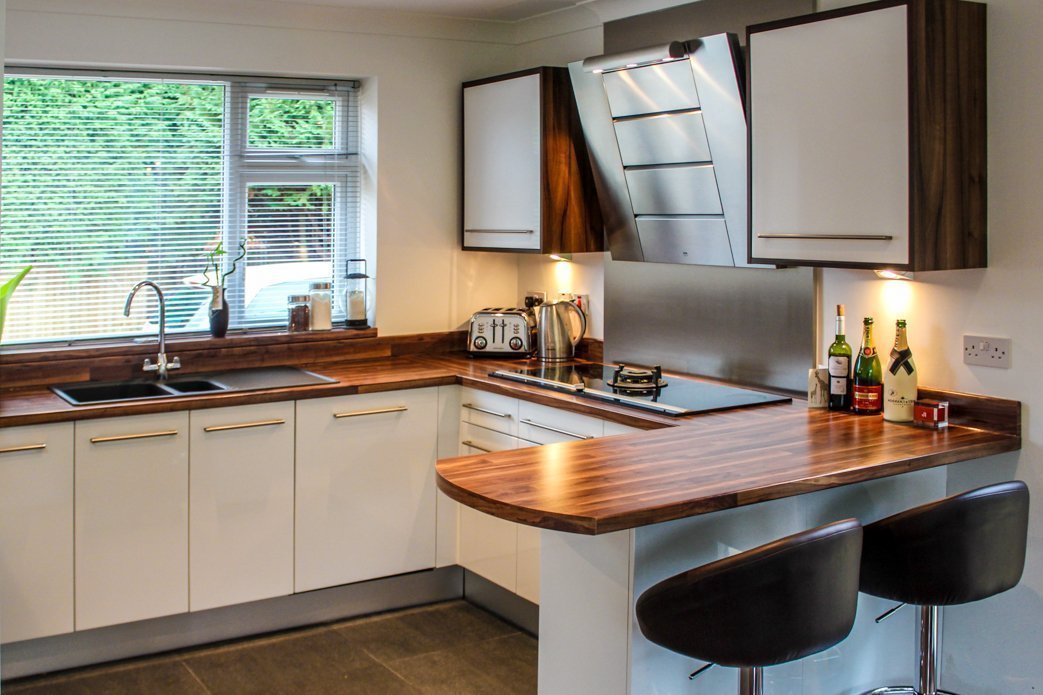
Wood-effect laminate worktop
Quartz – engineered stone or “quartz” worktops are made from mineral material bound together with a relatively small proportion of plastic resin, typically around 7–8%. They offer excellent scratch resistance and impressive strength, making them particularly well suited to worktops with overhangs. Quartz can chip if struck hard enough, but the resulting damage is generally much less severe than with ceramic or sintered stone.
The resin content makes quartz non-porous, so water cannot penetrate the material and cause the sort of sub-surface staining associated with some natural stones. Surface staining is still possible, however, and the slightly less highly polished finish of some quartz products, compared with natural granite, can make certain everyday kitchen stains more difficult to remove.
Quartz is not suitable for outdoor use, as ultraviolet light attacks the resin and can cause discolouration over time. Heat is another important consideration. Sudden exposure to very high temperatures, such as the base of a scorching-hot pan, can cause damage, as can repeated or prolonged exposure to elevated temperatures in the 100–180°C range.
One of quartz’s greatest attractions is the enormous choice available, spanning a wide range of colours, patterns and price points. Its ability to imitate marble and other natural stones can be remarkable. On the other hand, some designs can look rather artificial, and black quartz can be particularly unforgiving when it comes to showing fingerprints, dust and smears.
For indoor kitchens, especially those with lighter-coloured surfaces, quartz remains one of our favourite all-round options. To explore the differences in more detail, take a look at our article, What Is the Difference Between Granite and Quartz?.
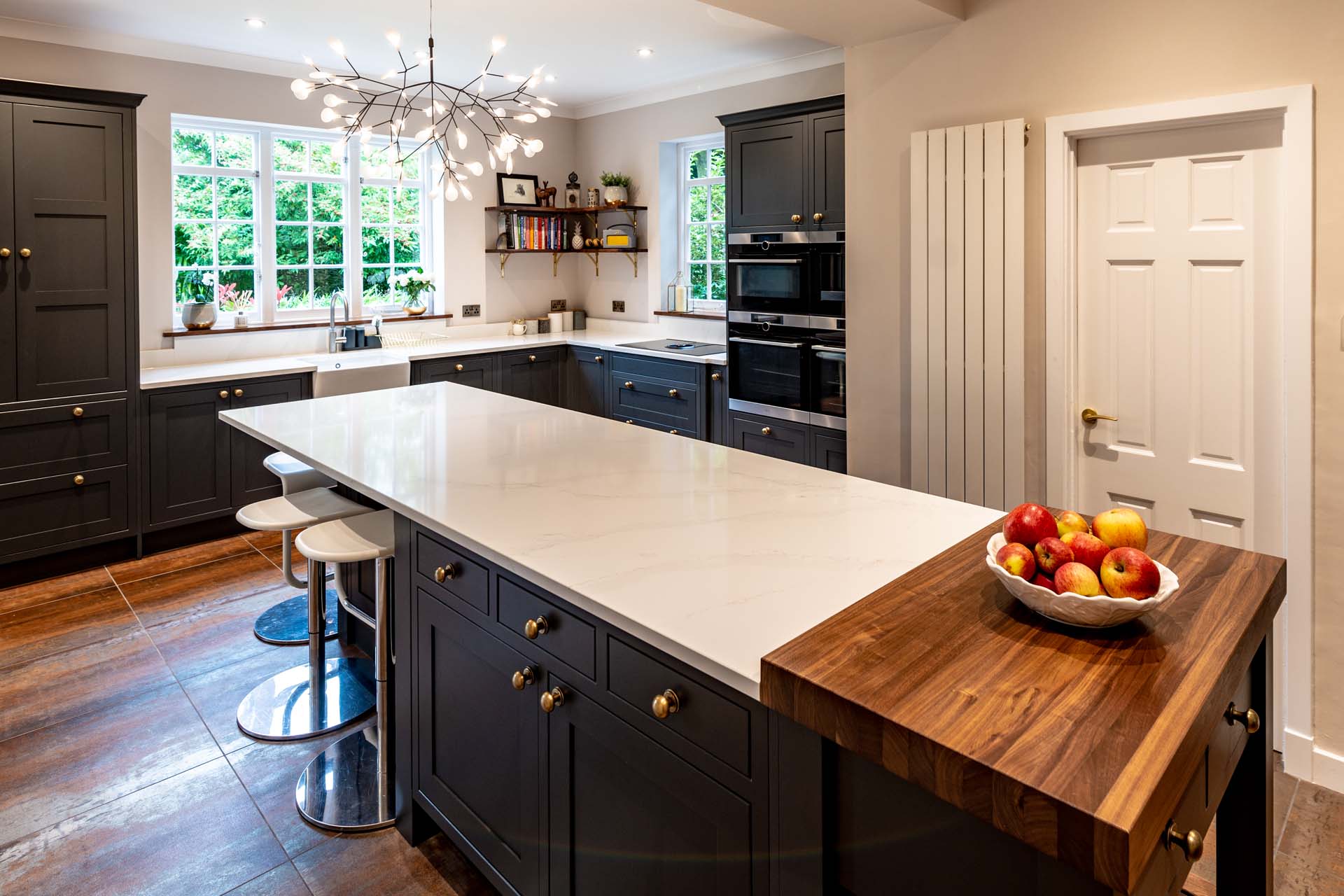
Calacatta marble-style quartz in a Surrey kitchen
Check out our range of stock quartz/engineered stone here.
Sintered stone and ceramic – these man-made materials are produced by bonding mineral particles together using intense heat and pressure, rather than relying on plastic resin. The result is a surface with excellent resistance to scratching and staining, although its tensile strength is more moderate and it can be brittle under impact. There are some wonderful colours and designs available, including convincing marble effects. However, the veining on marble-look products is generally printed onto the surface rather than running naturally throughout the material.
The main caution is impact damage. A heavy object striking an edge or vulnerable area can cause chipping or, in more serious cases, a fracture. If Dekton or a similar sintered surface is your first choice because of its hardness and ease of cleaning, we would recommend checking that your home insurance provides appropriate cover for worktop replacement. These materials have some outstanding qualities, but it is important to understand their vulnerabilities before committing to them.
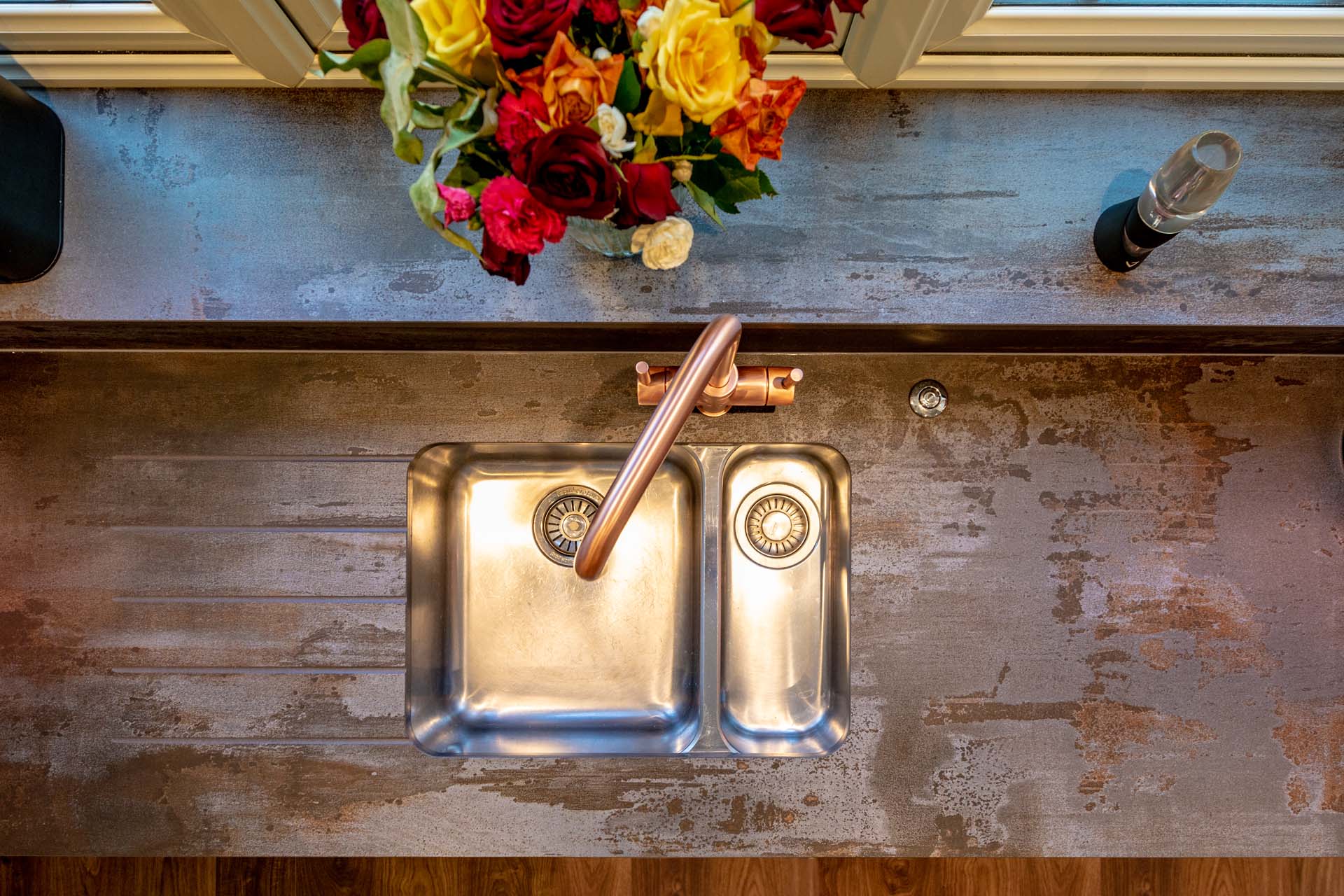
Dekton Trilium in a Horsham kitchen
At Affordable Granite we stock Lamar and a selected range of other ceramic materials.
Stainless steel – exceptionally durable, highly hygienic and easy to clean, stainless steel is a practical choice for a hard-working kitchen. It is widely used in commercial environments for good reason. However, it does scratch relatively easily. The upside is that, once enough fine scratches have accumulated, they can become part of the surface’s character, developing a distinctive patina over time.
The main consideration is the overall aesthetic. Stainless steel can create a very industrial feel, and if used extensively, your kitchen might end up looking more like a restaurant canteen, a school kitchen or even a hospital morgue! These are all environments where stainless steel is perfectly at home, but perhaps not quite the atmosphere everyone wants in a domestic kitchen. Used more selectively, however, as a feature or within a smaller area, it can look excellent and provide a striking contrast with other worktop materials.
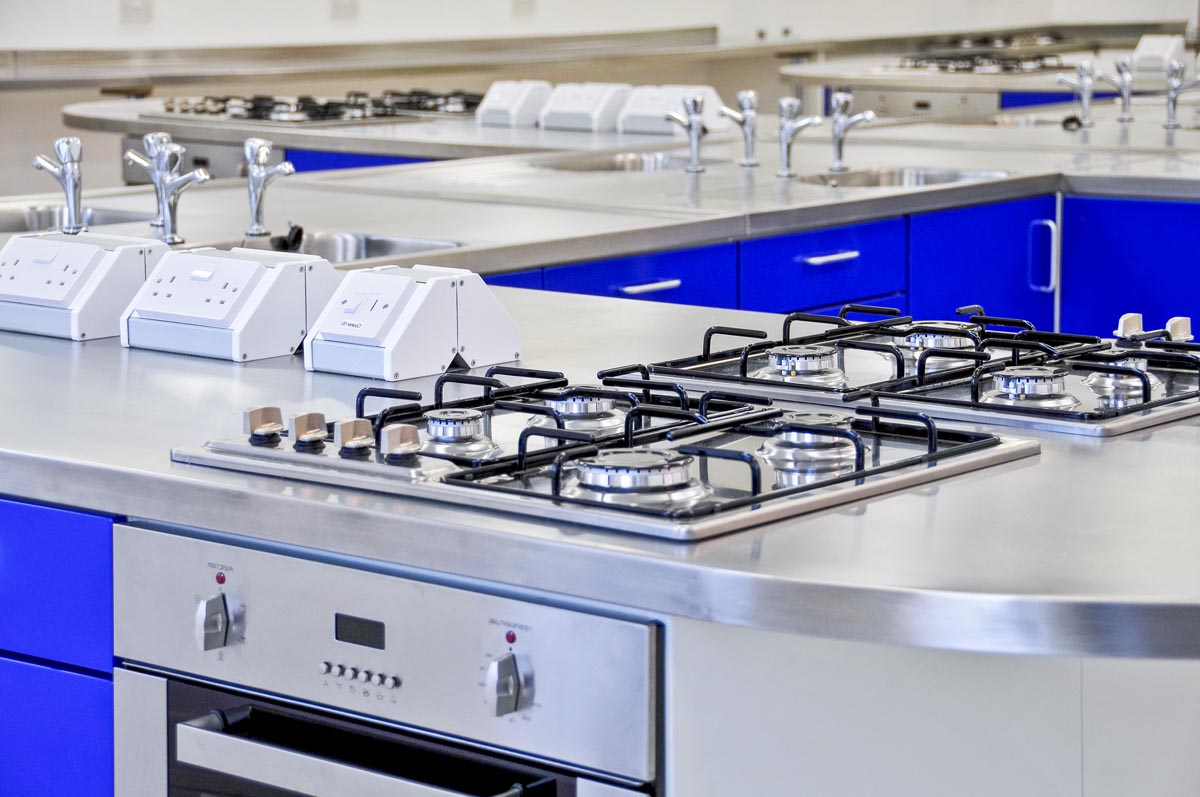
Stainless steel worktops in a training kitchen
Wood – Wood kitchen worktops have a lovely warm, natural appearance that creates a wonderfully homely and welcoming atmosphere. However, keeping them free from stains and water damage over the long term can be challenging, and they require regular, fairly intensive oiling to maintain their condition. Wood can work beautifully as a feature on a kitchen island or breakfast bar, particularly where there is no sink or hob. Combining it with granite, quartz or stainless steel in the wetter, more grease-prone areas can give you the best of both worlds: the warmth of wood alongside more practical surfaces where they are needed most.

Wooden kitchen worktops
Summing up
The key thing to remember is that all kitchen worktops materials have their advantages and disadvantages. There is no single perfect solution for every kitchen! We are delighted to supply granite, quartz and ceramics, but we believe in being fair to other materials rather than talking them down. Choosing the right worktops can feel a little overwhelming, but the sheer variety of options available is also something to celebrate. There are so many beautiful, high-performing materials to explore, with options to suit almost every style, practical requirement and budget.
If you would like some straightforward, impartial advice to help you make the right choice, give us a call on 01293 863992. We are here to help you find the ideal balance of appearance, practicality and value, so you can achieve the kitchen look and functionality you really want. We are at your service!

Quartz worktops in a Kingswood, Surrey Kitchen – see full case study here.

Terra Bianca granite worktops in a Surrey kitchen
As affordable as most quartz, much cheaper than Dekton, durable, beautiful and classy.
We like selling classic natural stone!
