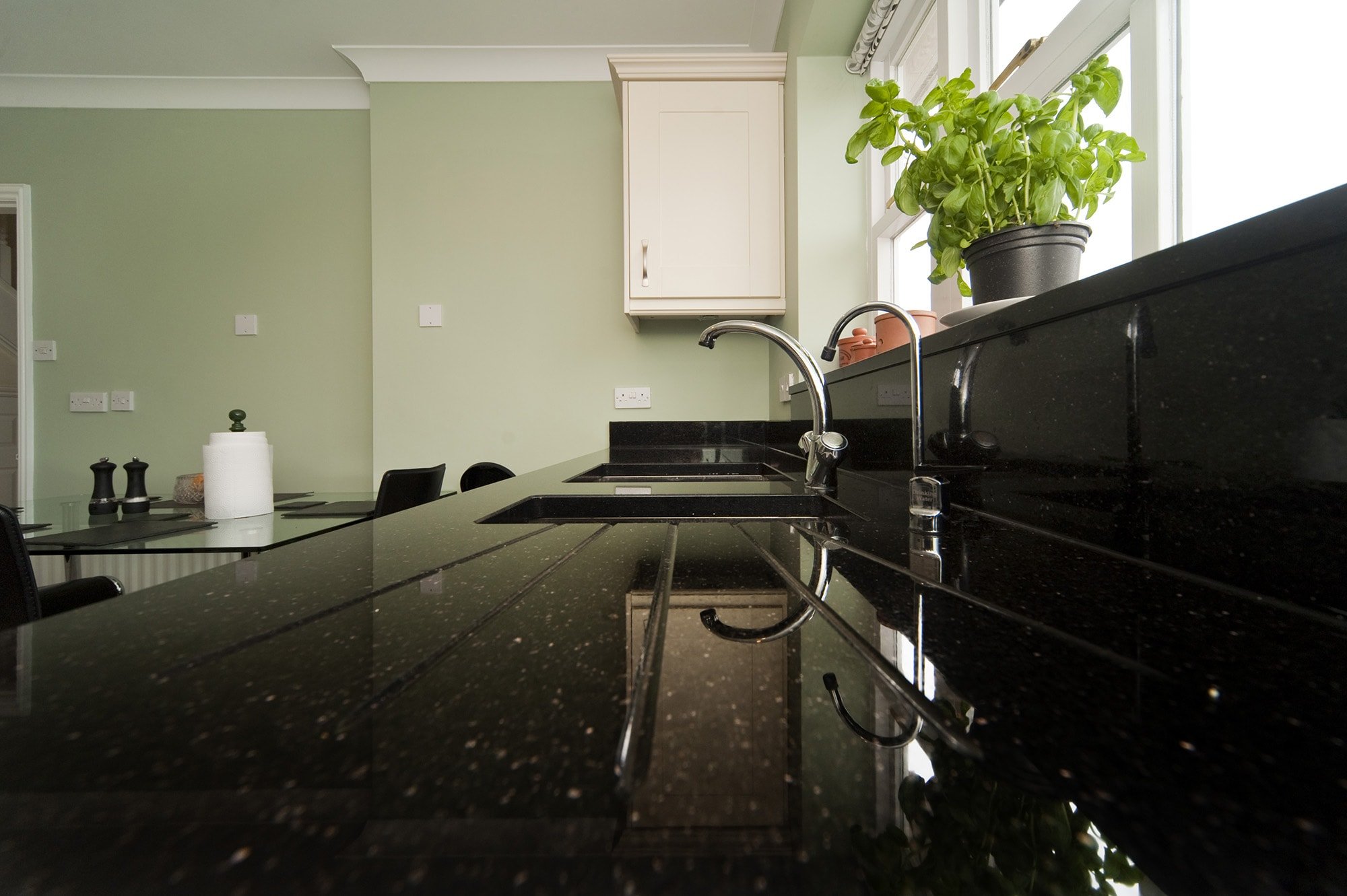
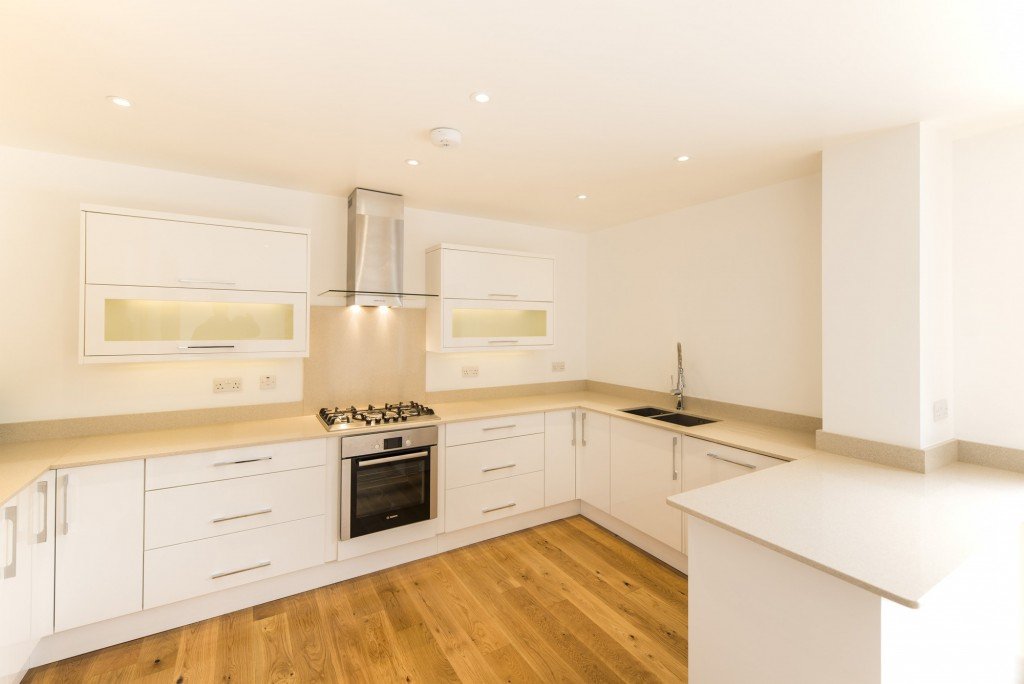
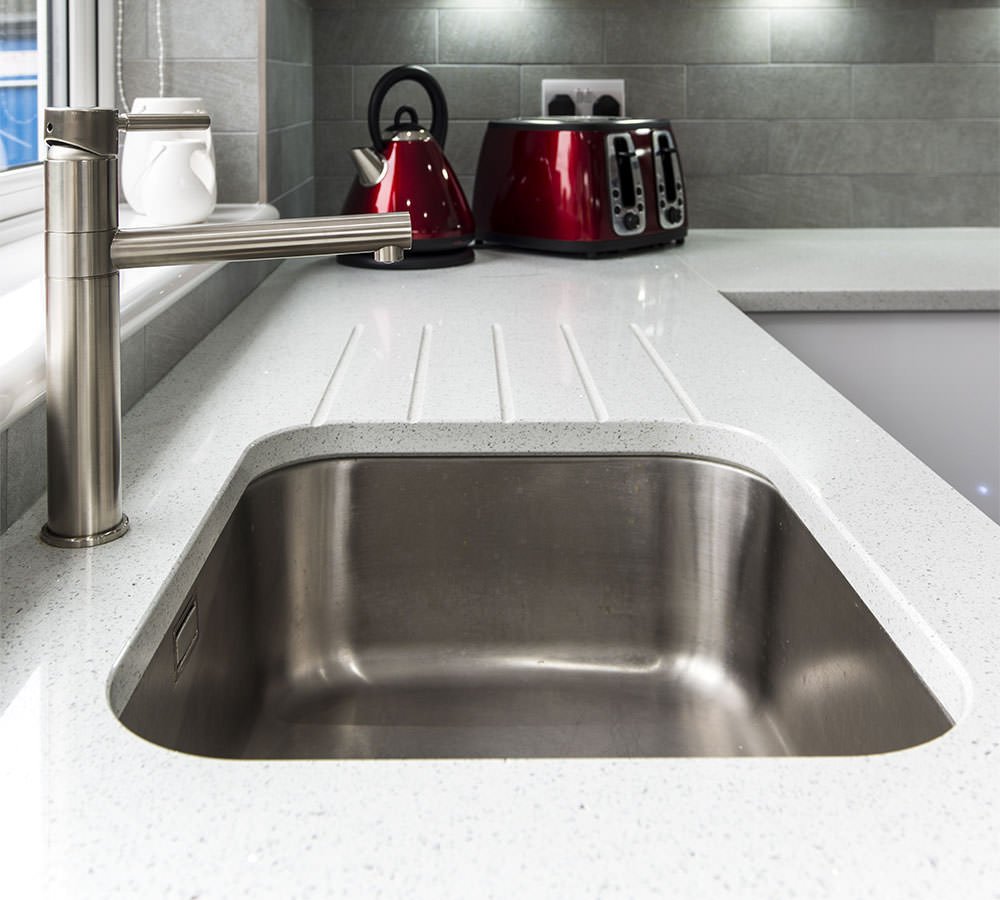
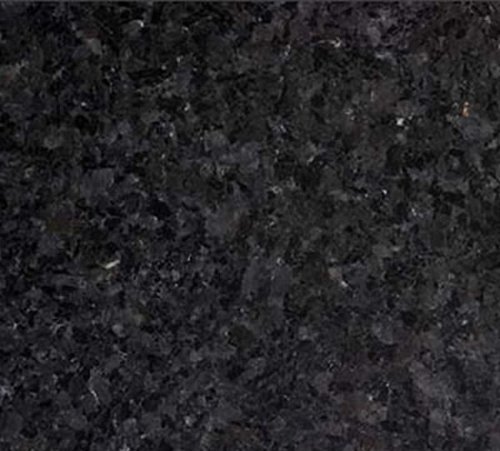
• silestone-negro-stellar-160314-155809-a

    QUARTZ

    Technology, Beauty, Practicality

What is Quartz? What are quartz worktops actually made from?

Our firm took the name Affordable Granite at a time when all the kitchen worktops we produced were made from commercial granite, or natural stone. Natural stone doesn’t necessarily mean what a geologist would call granite, of course, but it is a useful name to distinguish naturally occurring rocks from synthetic materials.

As time has gone by, more alternative materials have been created which are suitable for kitchen worktops. The largest group up to the present consists of stone-like materials which are held together using plastic resin. This group is known as engineered stone, but has become known much more widely as quartz.

Properly speaking, the word quartz refers to a naturally occurring mineral composed of crystals of Silicon Dioxide, or silica. Silica is all around us – it forms most of the sand on a British beach, the flints in an old Sussex wall, the white streaks on a Scottish mountain… and is a major component of the bricks (30-40%), breeze blocks (30-75%), concrete (30-75%) and tiles (15-40%) in your home.

Quartz worktops have nothing – and everything – to do with the natural mineral. The original engineered stone worktop materials – pioneered by Silestone and Caesarstone – were composed of ground up quartzite (almost pure quartz) held together with around 7% polymer resin. As a result, the silica content was very high, and in recent years this has become a matter of controversy due to the danger of workshop staff inhaling silica dust particles. As a result, manufacturers have been working hard to reduce the silica level, and have become understandably less positive about the word “quartz”. We have written about those changes elsewhere – but for the moment, this article deals with any engineered stone – meaning stones created by mixing mineral materials with polymer.

Quartz worktops are made from particles of a variety of materials – naturally occurring quartzite or silica, man-made glass or mirror, or recycled and modified materials – which are effectively stuck together with a polymer resin to form an engineered stone which machines and polishes like granite. The amount of polymer resin – plastic – is quite low – only 7 or 8%. This is sufficient to effectively bind the stone, but low enough for the product to be extremely hard. The plastic gives quartz slabs a greater flexural / tensile strength than natural granite, and allows us to make quartz worktops thinner than granite ones. The plastic can also carry dyes and pigments which help to create the amazing variety of quartz worktops on the market.

Leading quartz worktop manufacturers rely on machinery produced by Breton, a company renowned for its innovation and technical expertise in engineered stone surfaces. Pictured here is one of Breton’s advanced slab-manufacturing machines.

breton machines 1
breton machines
breton machines 3
breton machines 4

QUARTZ WORKTOPS FOR ALL TASTES & BUDGETS

In the early days of quartz worktops, the trend was to pure colours and often to pure colours with sparkles. We saw amazing pink surfaces from pale flamingo to stunning fuchsia, purples, strong blues, through to orange, apple and lime green. Many of these were also available in mirror-fleck versions.

As time went by there was a general trend to softer, more natural colours and materials. There was also huge progress by quartz manufacturers in emulating real stone. The R&D innovators, like Caesarstone and Silestone, led the way, but now every manufacturer on the planet has an excellent range of marble-lookalikes made in engineered stone. And the range is frighteningly wide – we can no longer keep up with all of the lines out there, often with very similar names. One quartz worktop manufacturer, Artemistone, lists 328 separate stone colours, many of which are available in more than one surface finish. That is an insane level of diversification!

In order to be able to offer our customers a solid basic range of quartz worktops at a very competitive price we hold a range of stock colours which are bought in bulk. But we can supply any stone on the market, more or less, with good relationships with leading manufacturers and wholesalers including Silestone, Cimstone, Radianz, Compac, Classic Quartz and Basilicastone and many more.

Why so many brands? Is buying from a big brand worth it? See here for some thoughts on the subject.

  • quartz-02

    QUARTZ WORKTOPS

    FOR ALL TASTES & BUDGETS

  • classic-marbre-carrara-westminster-170313-100935-aa

    QUARTZ WORKTOPS

    FOR ALL TASTES & BUDGETS

cimstone-arcadia-white-quartz-crawley–west-sussex-111240-general-view-min

See more about these Acadia quartz worktops we fitted in Crawley, West Sussex

SAMPLES

If you would like samples or if you have seen something you like but can’t see it here please ask as we may be able to source it for you.

Telephone: 01293 863992 or Email: [email protected]

Images from Affordable Granite, with the quartz slab machine images from Breton Machinery.