


Health & Safety, dust and your worktops
Whether it’s from the Jeremy Vine Show, the iPaper or direct from the UK Government’s Health and Safety Executive, you may well be aware of a new flurry of public conversation about silica dust from machining quartz worktops.
If you have heard or read any of this, you may be concerned about it. That is not a wrong reaction – we share the concerns and we and other reputable companies are doing everything we can to mitigate risk in our industry. Here are a few questions and answers about the present situation and how it affects us and our customers.
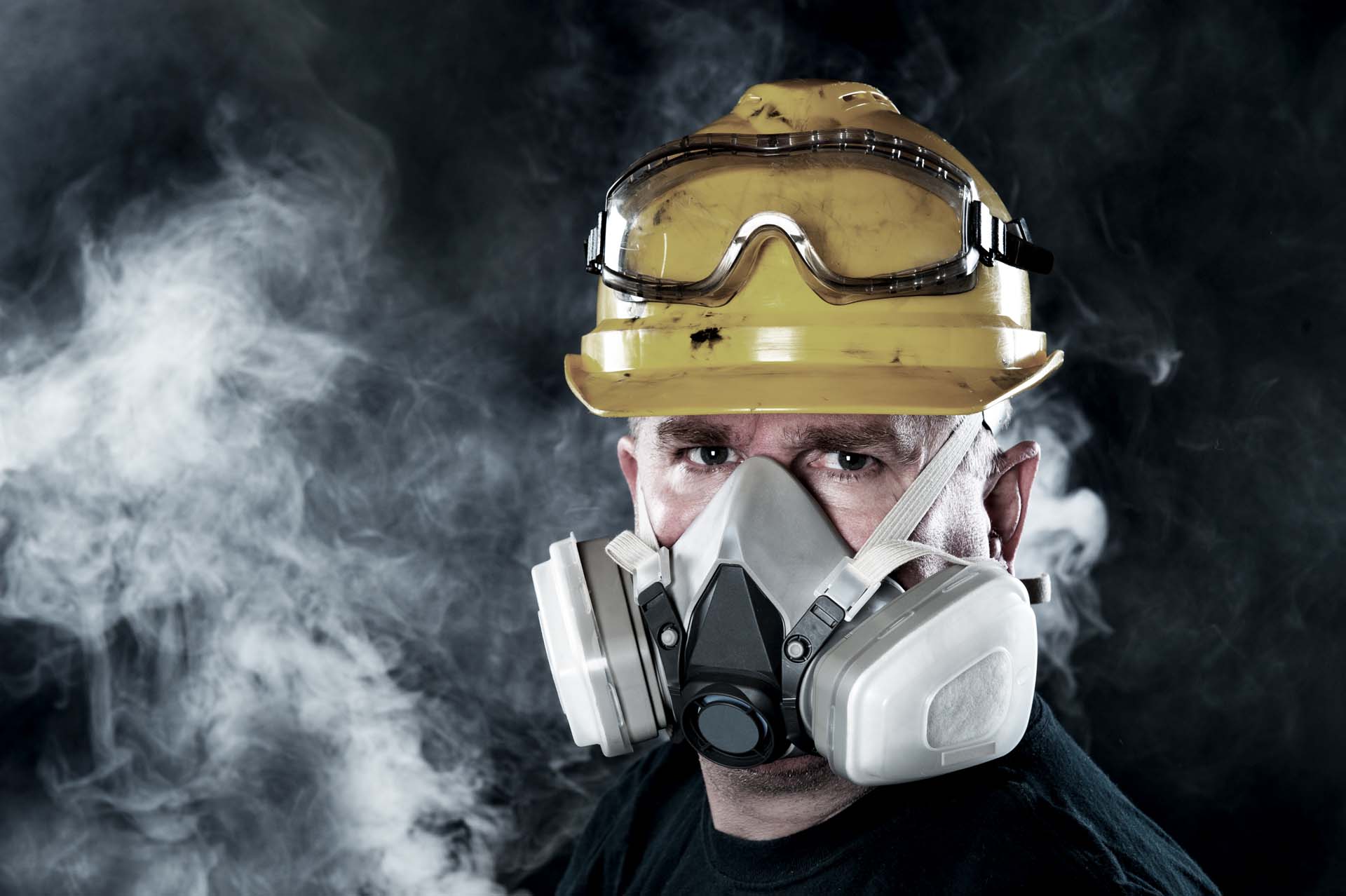
Dust in the cutting of solid stone products – it’s a serious issue.
What actually is the danger?
Engineered stone, or “Quartz” worktops are made from a mixture of mineral materials and plastic resin. Often, the mineral content has been principally from quartzite rock, containing a high proportion of crystalline silica. When the stone is cut or polished some of that silica ends up as fine dust which can be inhaled deep into the lungs. Anyone who repeatedly breathes air contaminated with crystalline silica dust during their working life will run a significant risk of developing untreatable and deadly silicosis.
This issue is serious and requires action. The government, the quartz manufacturers and the worktop fabricators are all taking steps to mitigate the risks and prevent an epidemic of silicosis among stonemasons.
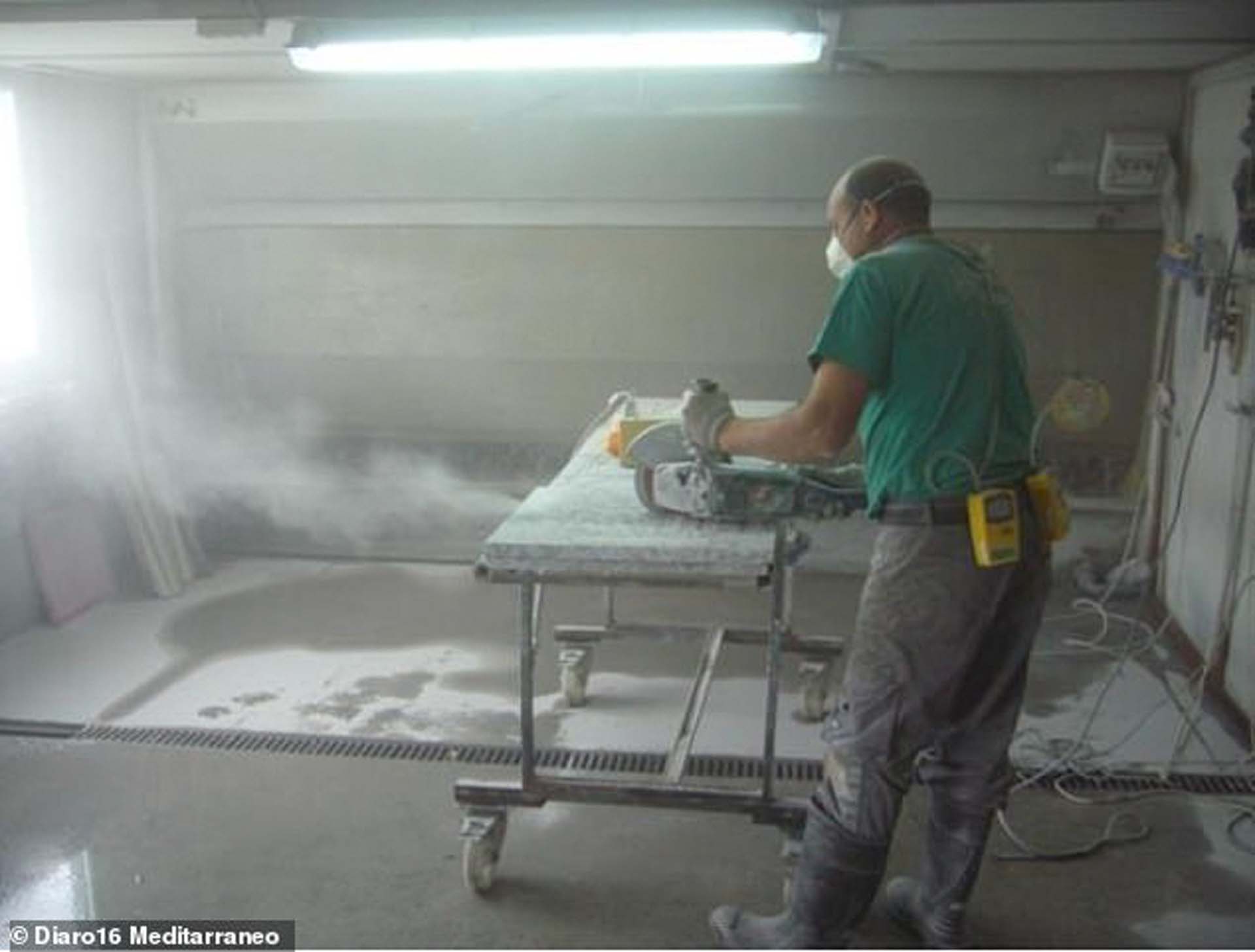
Clouds of stone dust in a poorly managed workshop
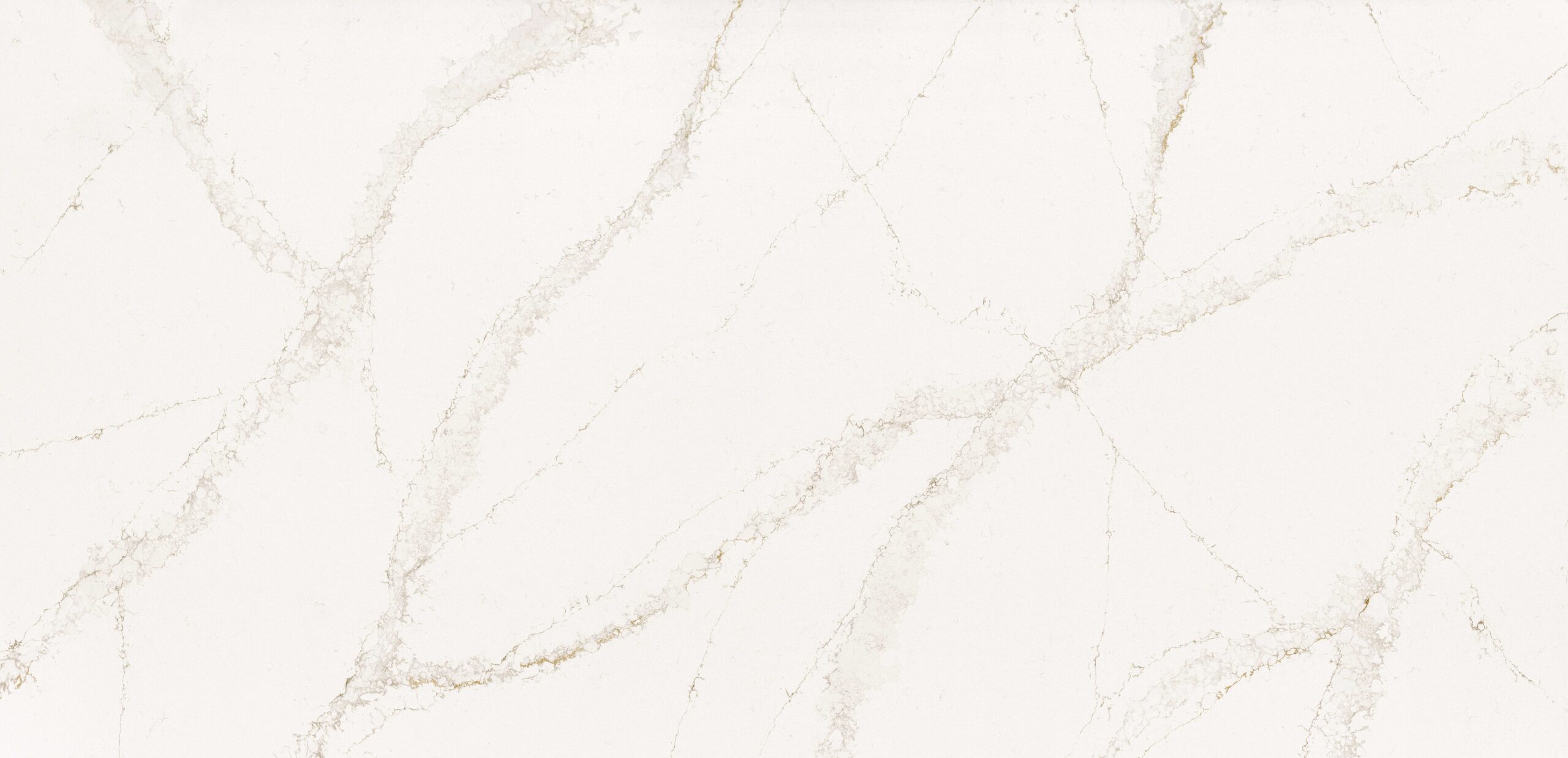
Silestone’s lovely Bronze Rivers
Are quartz worktops being banned?
Despite calls for the banning of engineered stone or quartz in the UK, this seems unlikely at the present time. This is because other actions are being taken, very effectively, by the stone industry. But it is also because bans in other countries have not been effective. A ban on quartz worktops in Australia led the kitchen worktop market to switch to other, naturally occurring rocks, many of them quartzites. These produce as much if not more respirable silica dust than engineered stones.
On top of that, worktop fabrication is only one of the creators of breathable silica dust: any time you see workers using an angle grinder or other cutting tool on paving slabs, breeze blocks, tiles, bricks or mortar that cloud of dust is dangerous. Banning one material doesn’t go far enough – but banning all would finish the construction industry. There has to be a better way.
What are the quartz manufacturers doing?
The big and serious engineered stone manufacturers have responded to the challenge by reducing the amount of crystalline silica in their product. Under names like Ecotone (Quartzforms) and HybriQ (Cosentino/Silestone) we now have new materials with a fraction of the potential to create dangerous breathable dust. This is a huge help and a big step in the right direction.
The reduced-quartz products are not the cheapest, but they are high quality materials and every time we are able to sell worktops made from one of these stones we are striking a blow for safety in the workplace. A big plus point to the big brands!
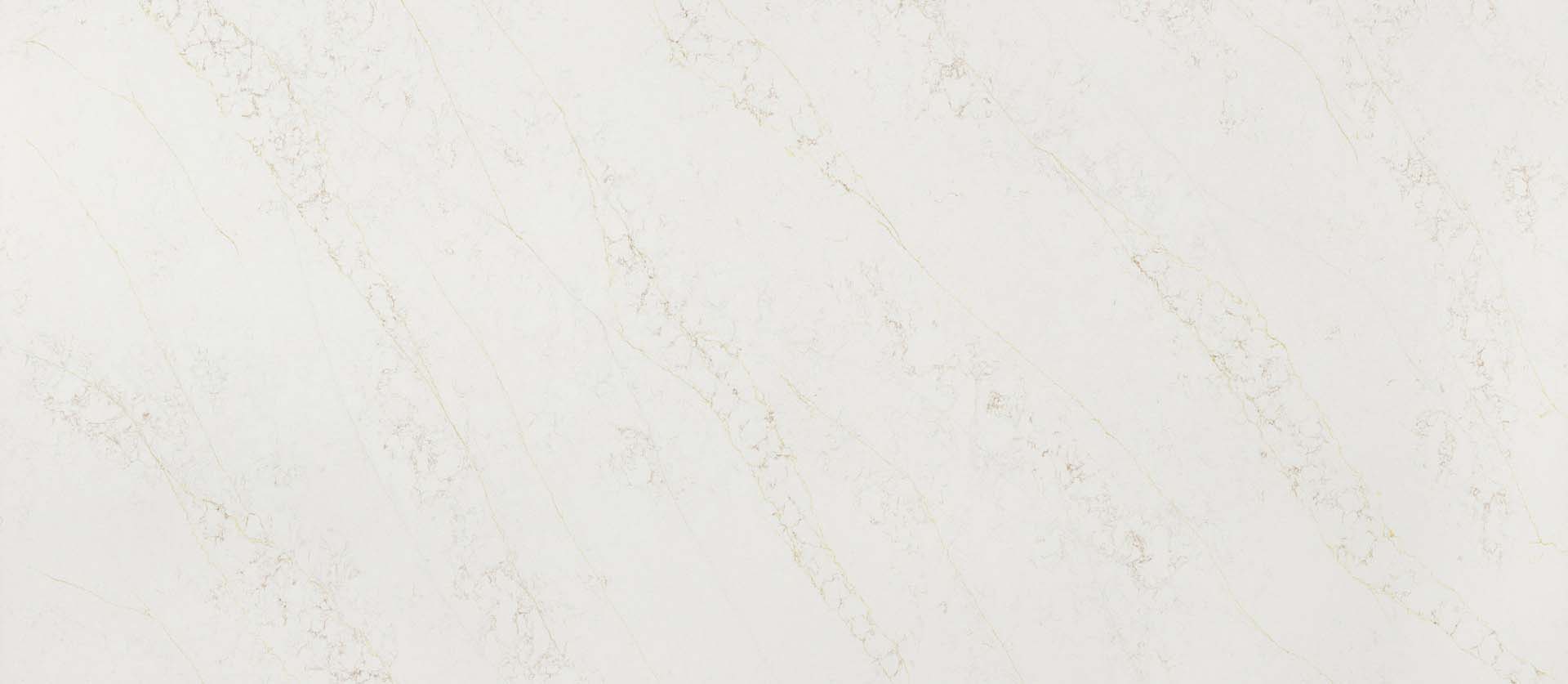
Quartzforms Ecotone New Era Gold

Silestone’s lovely Bronze Rivers
What is the Health and Safety Executive doing?
The Health and Safety Executive is the agency of the UK government which oversees all matters of safety in the workplace. The HSE has announced that it will be focussing on the issue of silica dust in our industry over the coming year. Over 1000 inspections are promised, and workshops which are not showing evidence of good practice will face penalties or even closure.
At Affordable Granite we welcome this. As a founder member of the Worktop Fabricators Federation we have been at the forefront of recognising the issue and working to raise and maintain exemplary standards. With the HSE on the case we look forward to a general clean up in our industry, with firms which persistently put their staff at risk being taken out of the game.
What should worktop fabricators (like AG) be doing?
The key weapons in the battle against silica dust are not complicated, though they are not always easy to achieve in practice.
Water – working wet wherever possible stops the dust becoming airborne
Extraction – drawing air away from the cutting/polishing site and into extractors
Protection – craftsmen always using appropriate masks
Cleaning – a regular discipline of cleaning the workshop so that dust carried on water droplets can’t simply dry and become airborne.
Dust monitoring – regular measuring of the airborne dust in all areas of our workplace
Health surveillance – regular health checks for all staff
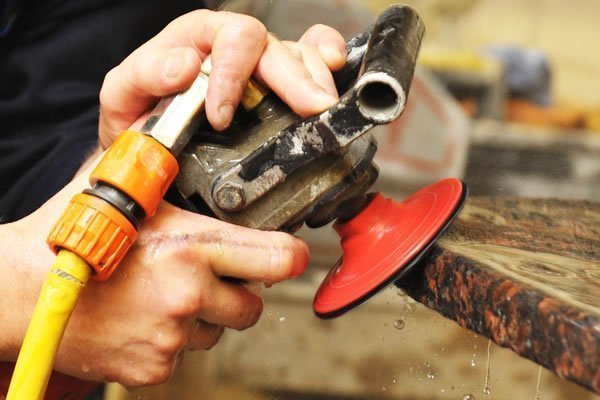
Wet polishing of a granite worktop

A happy AG quartz worktops customer in her kitchen
What can the customer do?
Do not worry about installed worktops – any danger from silica dust is entirely during the cutting process, and really related to long-term, high-level exposure.
Do choose a company which is serious about dust control – check out the WFF members list
Consider choosing materials with reduced crystalline silica
Once again, having make good choices, DON’T WORRY. This is our problem in worktop fabrication – there is no issue unless you work with in our industry.
Crystalline Silica Dust is a major headache for our industry – we are on top of it!
We are Affordable Granite: If you have any concerns about crystalline silica dust as you plan your kitchen worktop project, feel free to talk to us. We are here to help! 01293 863992 or [email protected]
